
If you have been hit by a car while cycling, prioritise safety and medical care, then preserve the information needed to explain what happened. A compensation claim may be available where another person is legally responsible for your injury.
The fact that you were the more vulnerable road user does not remove the need to establish responsibility, injury and loss. Nor does an allegation about your riding automatically prevent a claim. The evidence needs to be considered fairly.
MWG’s Cycling Accident claims solicitors in Manchester can discuss the incident and your next steps. This guide focuses on civil injury claims in England and Wales.
Immediate steps after the collision
Move away from danger if you can do so safely and obtain appropriate medical assistance. If an emergency response is needed, call the emergency services. Do not put yourself at further risk to collect photographs or continue your journey because you feel under pressure.
Exchange the available driver, vehicle and insurer details. Record the location, time and direction of travel. If the driver leaves, preserve whatever identifying information you have without attempting an unsafe pursuit.
Tell the treating professional how the collision happened and about the symptoms you are experiencing. If a head injury is involved, follow current NHS head injury guidance and seek help for worrying symptoms. A compensation discussion should never delay treatment.
Preserve the evidence before it disappears
A concise record made soon after the event can help later. Write down what you remember, distinguishing your own observations from what someone else told you.
Look for possible helmet-camera, dashcam, bus-camera or nearby CCTV material. Note who may hold it and seek advice promptly about preservation. Footage may be overwritten quickly, so waiting until you feel fully recovered can mean losing an important source.
- Save original recordings, including the approach and aftermath.
- Keep witness contact details and any police reference.
- Photograph the road layout, damage and relevant markings where safe.
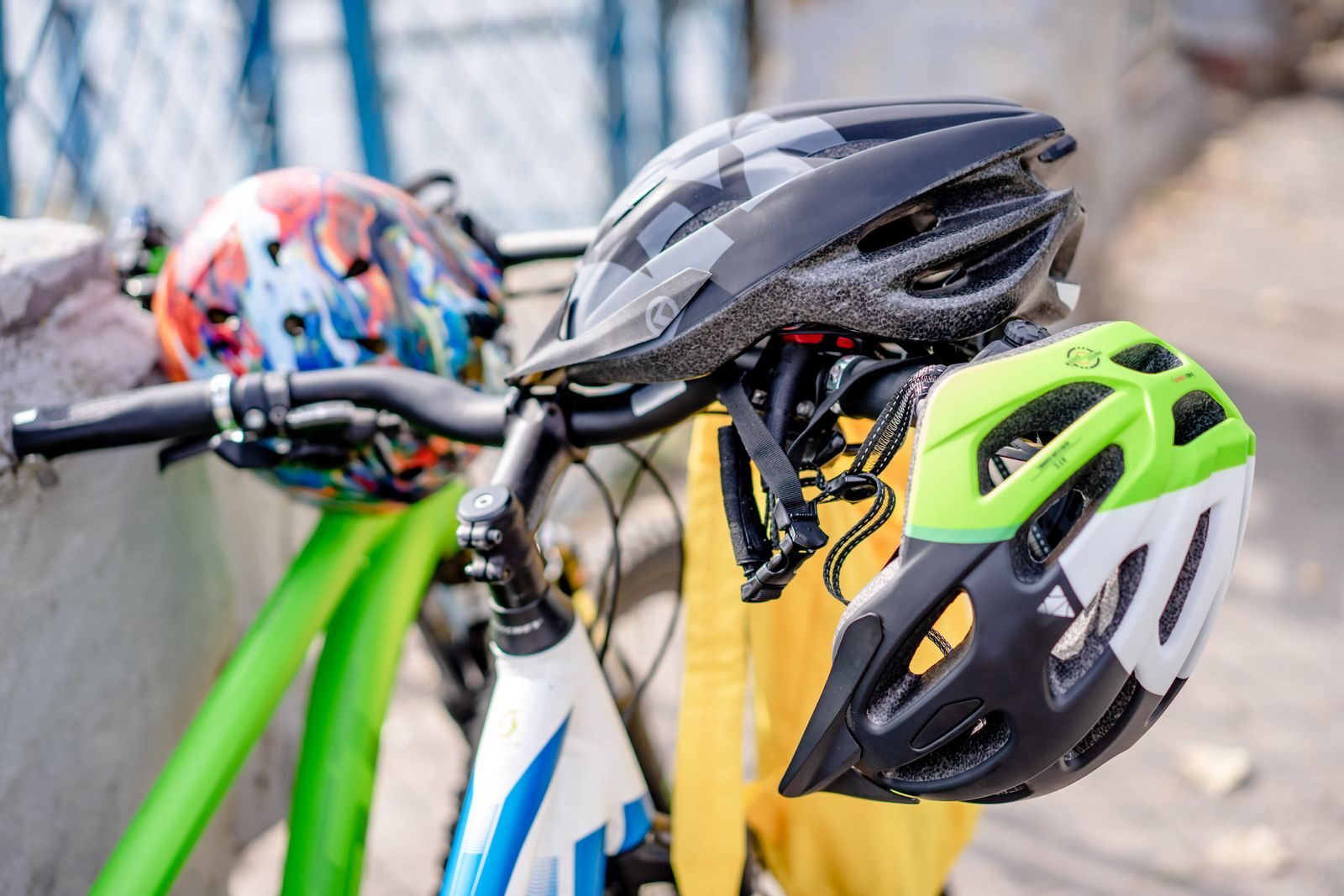
- Retain the bicycle, helmet and clothing until their evidential value is considered.
- Keep messages and letters from the driver or insurer.
Do not guess a vehicle registration, precise speed or sequence you cannot remember. Uncertainty can be explained; an invented detail can create unnecessary problems.
How is driver liability assessed?
The investigation asks whether the driver failed to take reasonable care and whether that failure caused the injury. Depending on the incident, relevant issues may include observation, passing distance, turning, opening a door or moving across a cycle lane.
A near miss can also matter if an unsafe manoeuvre caused a fall without physical contact. Such a case still needs evidence of the manoeuvre, the reaction and the resulting injury.
The driver’s account should be tested alongside the cyclist’s, rather than accepted or rejected solely because of who was driving the larger vehicle. Photographs, recordings and independent witnesses may resolve points that initially appear to be a simple disagreement.
The Highway Code hierarchy: what it does and does not mean
The Highway Code introduction and road-user hierarchy recognise that those in charge of vehicles capable of causing greater harm bear greater responsibility to reduce danger.
That hierarchy is relevant context for road safety. It does not automatically determine civil liability or mean that a cyclist can never share responsibility. All road users still need to act responsibly.
The Code can be used as evidence in proceedings, including where a provision uses advisory wording. The legal assessment considers the applicable duties, the conduct in question and its causal connection with the injury.
For junction incidents, the rules on using the road can also help identify the issues to investigate.
What if the driver blames your cycling?
An allegation might concern road position, a signal, visibility or an approach speed. Ask for the allegation to be explained precisely and supported with evidence.
The question is not whether someone can identify any criticism after the event. It is whether relevant fault contributed to the damage. Where shared responsibility is established, recovery may be reduced rather than the claim necessarily failing altogether.
Tell your solicitor about potentially difficult facts at the outset. That allows advice to address the actual case and avoids an assessment based on an incomplete account.
Medical evidence and recovery
Medical records help explain the injury and treatment. A claim may also require an independent assessment of recovery, continuing symptoms and future needs.
Keep a practical diary of how the injury affects work, travel, sleep, household tasks and activities. Describe changes over time instead of copying the same description each day.
If symptoms persist or change, seek appropriate medical advice. Do not assume a normal-looking bicycle or a relatively low-speed impact establishes that the injury must be minor.
Before final settlement, ask whether the medical evidence adequately addresses the problems you are still experiencing and any recommended treatment.
What losses might be included?
The claim may address the injury itself and financial consequences that can be established. These can include earnings loss, treatment and travel costs, care or assistance and relevant equipment damage.
For the bicycle and cycling equipment, keep purchase records, photographs, repair assessments and replacement quotations. Explain what was damaged and what happened to it. Avoid disposing of the only evidence before discussing it with your solicitor.
A safety concern about reusing a helmet is different from proving the value of a property claim. Obtain appropriate advice on equipment safety, and keep the evidence needed for valuation.
Record unpaid help from relatives as well as paid support. A brief note of the task, time and reason assistance was needed can be more useful than a later estimate covering several months.
If the driver is uninsured or cannot be traced
A route through the Motor Insurers’ Bureau may be available, subject to the applicable agreement and requirements. It is not a general compensation scheme for every unexplained fall.
Preserve evidence of the vehicle’s involvement, report the incident when required and obtain advice promptly. Different routes can have different rules about evidence, deadlines and property damage.
Starting a claim and considering an offer
Give MWG the accident date, a short account, available evidence and details of correspondence received. The team can discuss responsibility, losses, the appropriate process and funding.
Avoid treating an insurer’s initial offer as a complete valuation without understanding what it includes. The practical question is whether the proposed settlement reflects the evidence and whether accepting it ends the claim.
See our Personal Injury overview, Serious Injury service and no win no fee guidance for related information.
Frequently asked questions
Can damaged cycling clothing be included?
Relevant property loss may be considered if it is connected with the collision and supported by evidence. Keep the item, photographs and purchase information where possible.
Does the Highway Code hierarchy guarantee compensation?
No. It informs road safety duties but does not replace proof of legal responsibility, injury and loss.
Can I claim if the car did not touch me?
Physical contact is not always essential. The evidence must still show how the other road user’s conduct caused the fall or injury.
What if I was cycling to work?
The circumstances still need assessment. Keep evidence of the collision and explain any resulting absence or earnings loss.
Book your consultation
Speak to our Personal Injury team about your circumstances and the next steps.
Meet our Personal Injury experts


Justin Jones and Jon Dixon are Personal Injury experts at MWG Solicitors. Read their profiles or contact the team to discuss your circumstances.
Explore our Cycling service or Personal Injury overview. Call 0161 835 2446 or send an enquiry.
General information about claims in England and Wales, not advice on an individual case. Different rules apply in Scotland and Northern Ireland. Seek advice promptly about deadlines and the applicable process. Information checked on 22 October 2026.